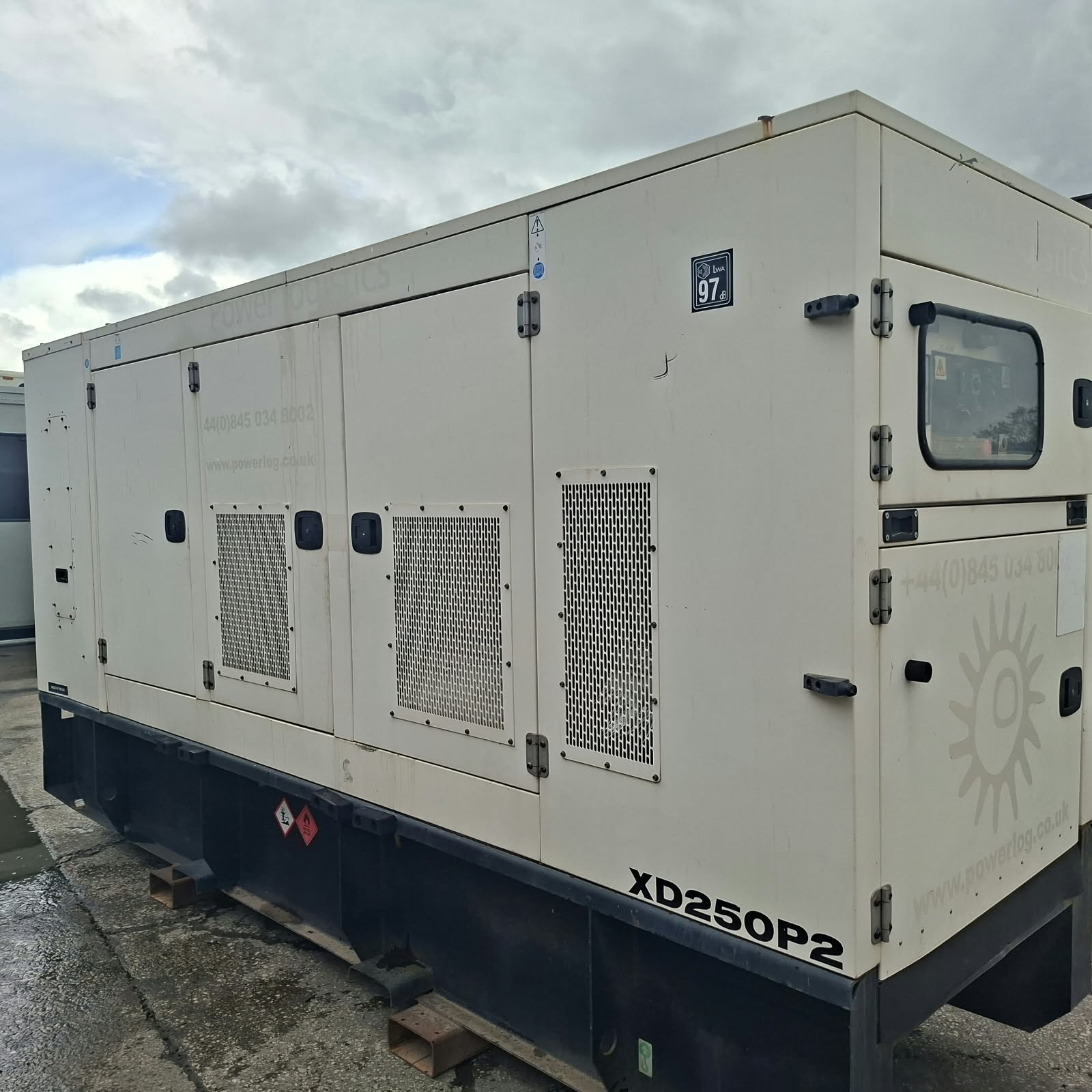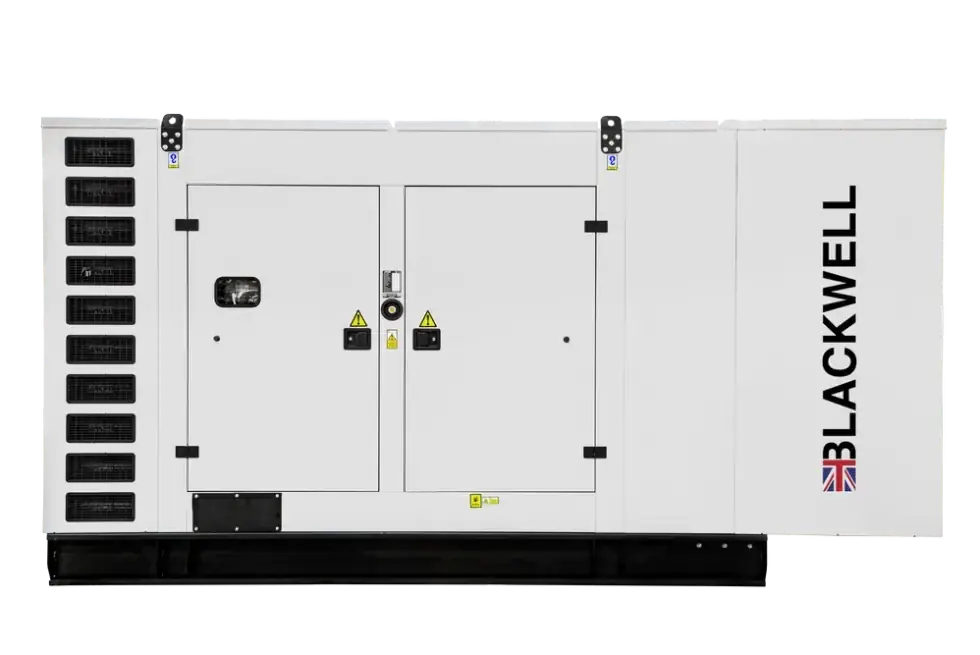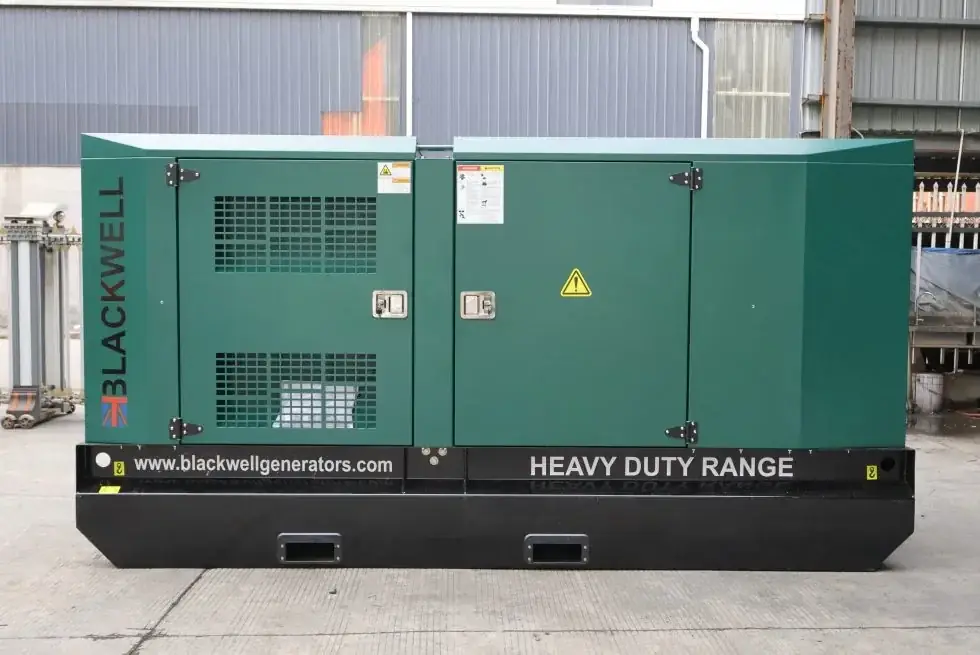
What a 250 kVA generator can provide
A 250 kVA diesel generator is commonly considered for manufacturing plants, warehouses, hospitals, large buildings, water treatment and substantial agricultural sites. At the widely used 0.8 power factor, 250 kVA converts to approximately 200 kW. That conversion is a useful starting point, not a final generator selection: the connected load, starting demand, operating duty, environment and required resilience all influence the set that should be specified.
Typical connected equipment may include process machinery, HVAC plant, pumps, compressors, conveyors, lifts, IT systems and essential building services. FW Power can help compare new and used generators, confirm the rating basis and bring together controls, fuel, acoustic, delivery, installation and long-term service requirements.
How to size the generator correctly
Start with an equipment schedule rather than a single maximum-demand figure. Record voltage, phase, running kW or amps, power factor and the way each load starts. Identify the largest motor, lift, compressor, pump, transformer or UPS input and decide which loads can operate together. Allow for foreseeable growth, but avoid excessive oversizing: a diesel engine that spends long periods at very light load may not reach its preferred operating conditions.
For this rating, the sequence in which large motors and transformers are energised can be as important as the final steady-state load. The final assessment should also distinguish essential loads from non-essential loads, the acceptable interruption time and whether staged reconnection can reduce the required generator size.
Prime, standby and installation choices
Prime and standby kVA figures are not interchangeable. A standby set supports emergency operation during a normal mains failure, subject to the engine manufacturer’s rating definition. Prime-rated equipment is selected for longer variable-load operation. Confirm the required duty before comparing quotations or used machines.
At 250 kVA, projects frequently need a dedicated fuel system, automatic mains-failure controls, cable and breaker coordination, acoustic treatment and planned maintenance access. The installation must provide combustion and cooling airflow, safe exhaust discharge, suitable foundations, fuel containment, cable access, earthing, protection and space for service work. Noise targets and planning constraints should be considered before the enclosure or plant-room layout is fixed.
New or used 250 kVA generators
A new generator offers a configuration selected around the project, including engine and alternator choice, control panel, enclosure, fuel tank and accessories. A used generator can provide strong value and shorter lead times when its rating, condition and service history suit the duty. FW Power prepares used generators through inspection and testing appropriate to the machine and proposed application; availability is always confirmed at the time of enquiry.
Compare the complete package, not only the nameplate kVA. Controller functions, breaker rating, socket or cable termination, fuel autonomy, dimensions, lifting arrangements, emissions requirements and the support available after installation can materially affect suitability and project cost.
Frequently asked questions
How many kW is a 250 kVA generator?
At a power factor of 0.8, 250 kVA is approximately 200 kW. The usable output must still be checked against the manufacturer’s prime or standby rating and the site load profile.
How many amps can a 250 kVA three-phase generator supply?
At 400 V three phase, the calculated line current is approximately 361 A. Current changes with voltage and connection, so protective devices and cables must be selected from the final generator data and installation design.
Is a 250 kVA generator suitable for motor loads?
Potentially, but the motor starting method, starting current, allowable voltage dip and sequence of operation must be checked. A 250 kVA running-load total alone is not enough to confirm suitability.
Should I select prime or standby power at 250 kVA?
Use the rating that matches the operating duty. Standby power covers limited-duration emergency use when mains fails; prime power is intended for variable-load operation over longer running periods. Always compare like-for-like manufacturer ratings.